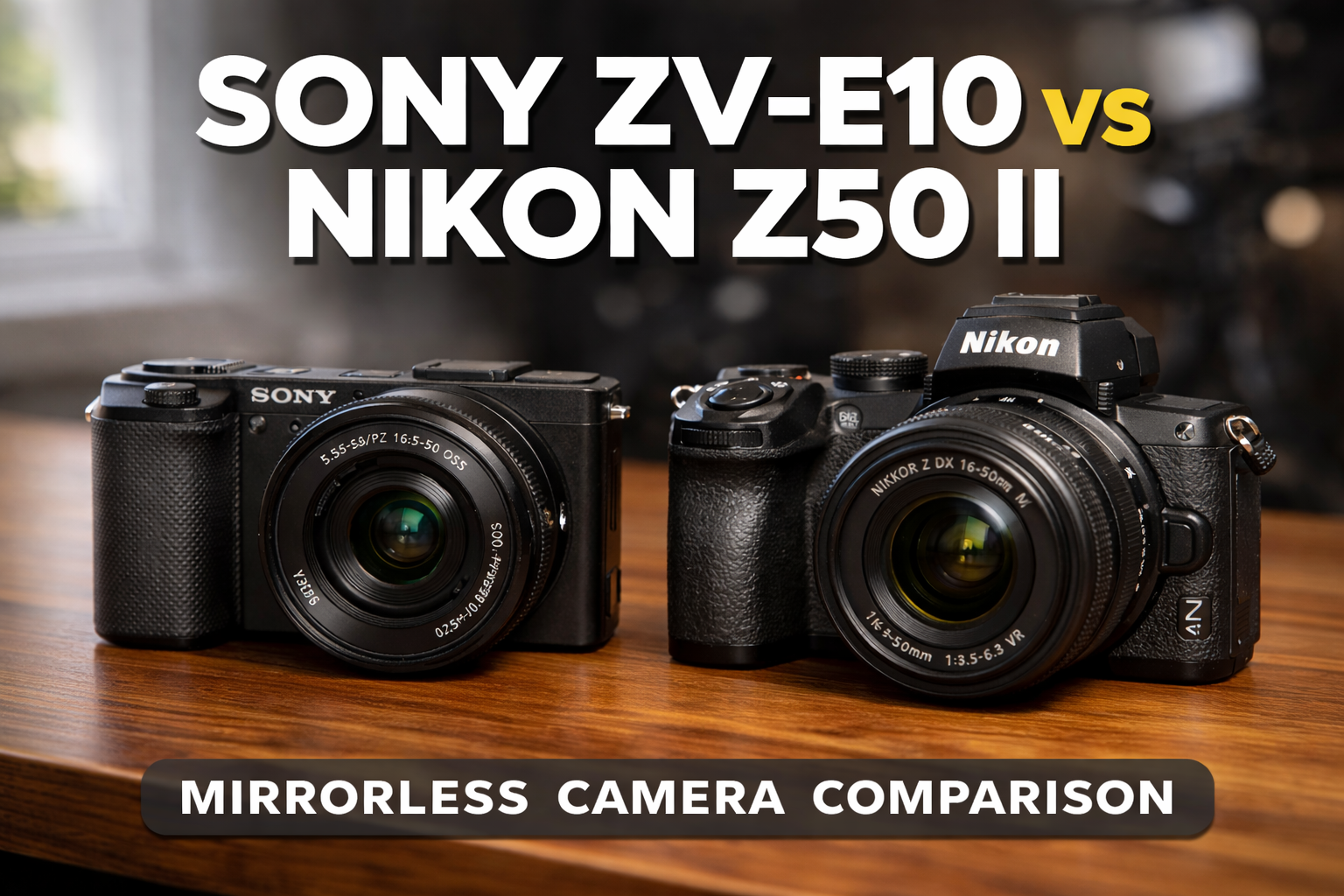
Choosing the right mirrorless camera in today’s competitive market can be challenging. Content creation, professional photography, hybrid shooting, and travel documentation all demand different features. That’s why comparing Sony ZV-E10 Mirrorless Camera Lens vs Nikon Z50 II Mirrorless Camera becomes essential for anyone planning a serious investment.
Both cameras belong to the APS-C mirrorless category, yet their design philosophy, performance strengths, and ecosystem advantages differ significantly. This comprehensive guide explores everything — sensor behavior, autofocus reliability, video capability, lens compatibility, battery life, ergonomics, and real-world experience — so you can make a confident buying decision.
Camera Overview
Sony ZV-E10
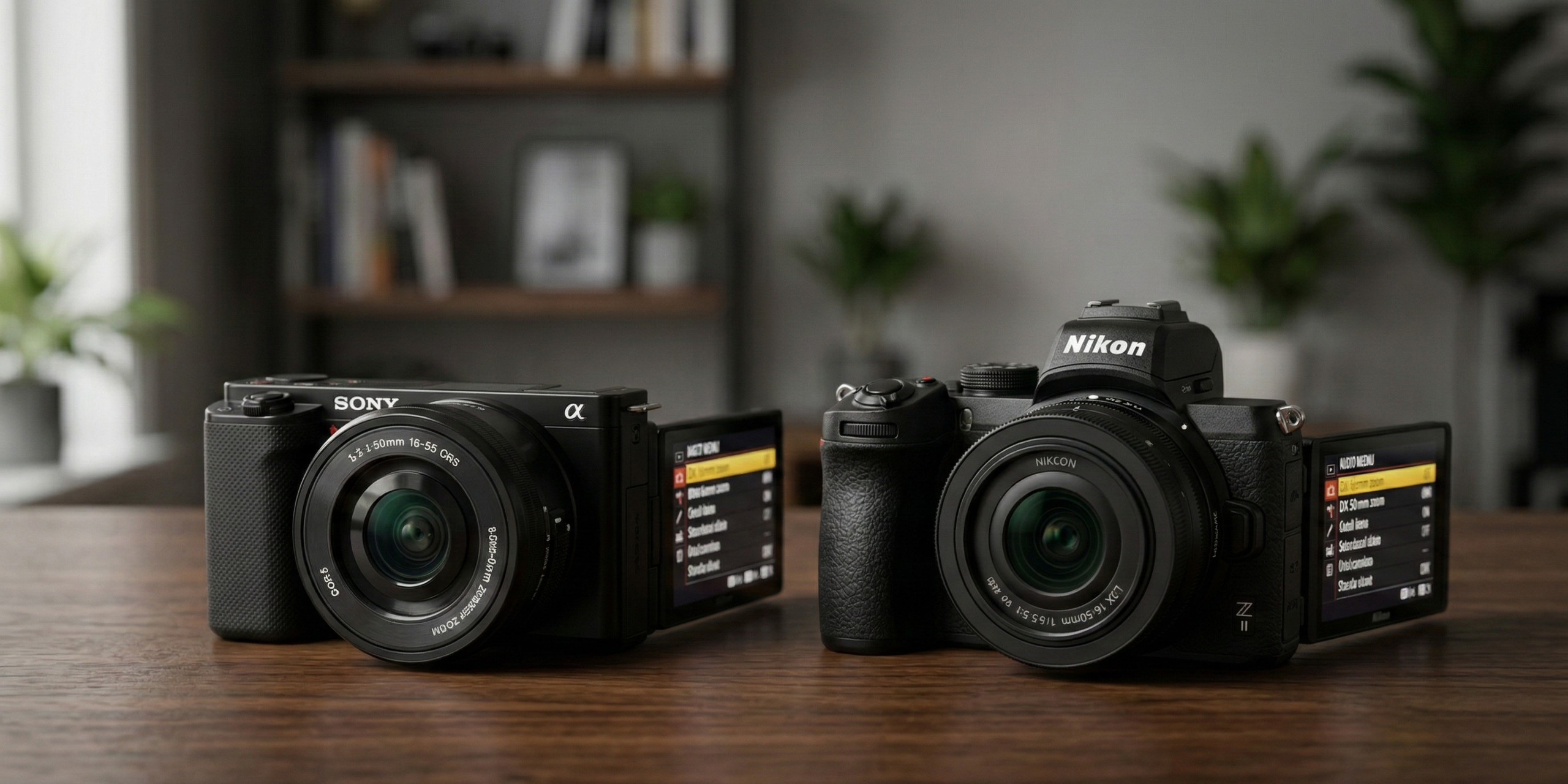
Sony designed the ZV-E10 primarily for modern creators. It blends interchangeable lens flexibility with features that simplify video production.
Key Highlights:
-
24.2MP APS-C CMOS sensor
-
Interchangeable Sony E-mount lens system
-
4K video recording
-
Fully articulating side-flip LCD
-
Advanced Real-Time Eye Autofocus
This camera focuses heavily on vlogging, online content production, and hybrid shooting.
Nikon Z50 II
The Nikon Z50 II follows a more photography-centered approach while maintaining capable video features.
Key Highlights:
-
20.9MP APS-C CMOS sensor
-
Nikon Z-mount system
-
4K video capability
-
Comfortable ergonomic grip
-
Reliable autofocus performance
It appeals to photographers who want mirrorless benefits while retaining DSLR-like handling comfort.
Sensor & Image Quality Analysis
Resolution & Detail Capture
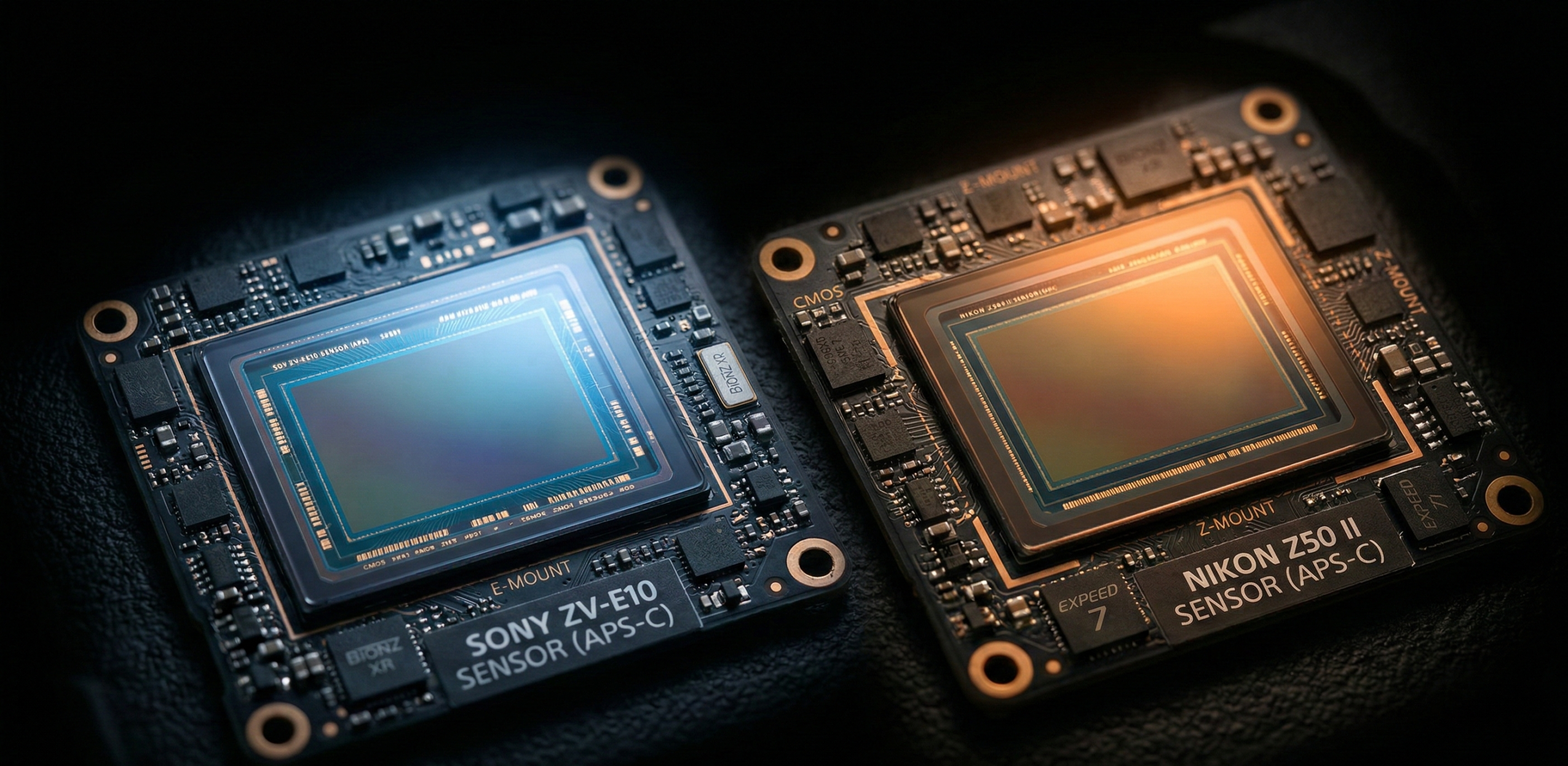
The Sony ZV-E10 offers a 24.2MP sensor, while the Nikon Z50 II uses a 20.9MP sensor. On paper, the difference seems small, but it affects cropping flexibility and fine-detail rendering.
In practical shooting:
-
Sony provides slightly sharper output when heavily cropped.
-
Nikon delivers balanced detail with excellent tonal consistency.
For commercial product photography or high-resolution thumbnails, Sony may offer a slight advantage. For portrait and travel photography, Nikon’s output feels naturally pleasing.
Dynamic Range Performance
Dynamic range determines how well a camera handles highlights and shadows in high-contrast scenes.
-
Sony ZV-E10 performs strongly in shadow recovery during RAW editing.
-
Nikon Z50 II manages highlights smoothly, preventing blown-out skies.
Landscape photographers working in harsh sunlight will appreciate both cameras, but editing flexibility slightly favors Sony.
Low-Light Behavior
Low-light performance is critical for indoor events, wedding shoots, and night photography.
Sony’s noise control at higher ISO levels remains clean and usable. Nikon also maintains controlled grain, but extremely dark scenarios reveal Sony’s marginal advantage.
However, lens selection plays a crucial role here. A fast prime lens on either camera can dramatically improve low-light results.
Video Performance Comparison
Modern buyers expect strong video capabilities, especially content creators.
Sony ZV-E10 Video Strengths
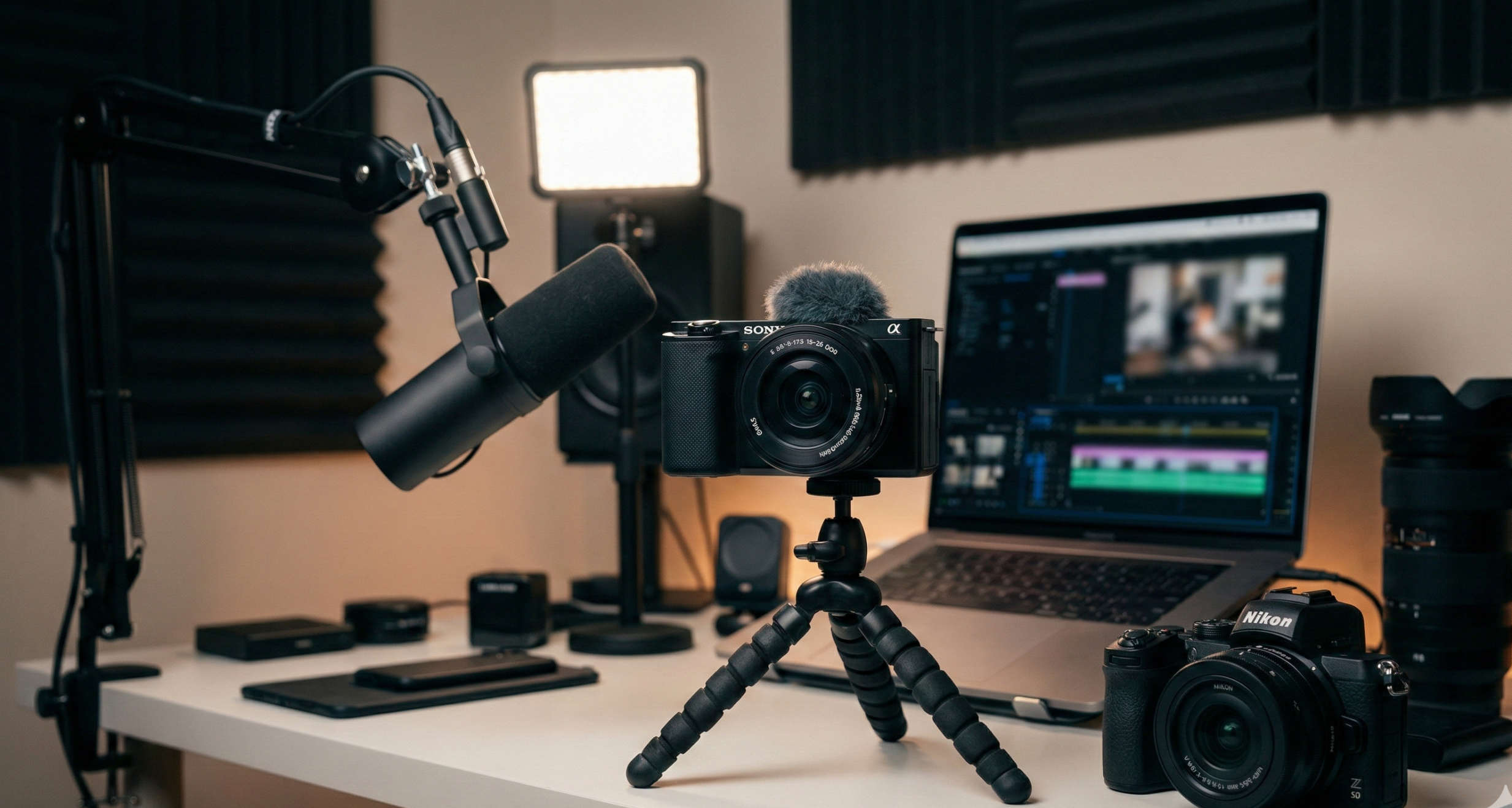
Sony’s creator-focused approach includes:
-
Oversampled 4K recording for enhanced clarity
-
Advanced autofocus tracking during video
-
Dedicated background defocus control
-
Professional color profiles for post-production flexibility
For YouTubers and digital educators, these features simplify production workflow.
Nikon Z50 II Video Strengths
Nikon’s video output is clean and natural:
-
Accurate color rendering
-
Reliable autofocus performance
-
Minimal setup required for straight-out-of-camera footage
For casual content creators or travel vloggers, Nikon’s video quality is dependable without requiring advanced editing.
Stabilization Insight
Neither camera offers strong internal sensor stabilization in its basic configuration, meaning lens-based stabilization becomes important.
Sony offers many optically stabilized E-mount lenses. Nikon’s Z-mount lenses also provide vibration reduction options.
For handheld shooting, pairing either camera with stabilized lenses ensures better results.
Autofocus System Comparison

Autofocus reliability is one of the most important performance indicators in modern mirrorless cameras.
Sony ZV-E10 Autofocus
-
425 phase-detection autofocus points
-
Real-time subject tracking
-
Eye detection for humans and animals
Sony’s autofocus system feels intelligent and adaptive, especially for moving subjects.
Nikon Z50 II Autofocus
-
209 phase-detection points
-
Face and eye detection
-
Fast focus acquisition
Nikon’s system is dependable and accurate. For portrait photography, it performs consistently well.
When tracking fast-moving subjects like sports or pets, Sony’s AI-based tracking appears slightly more responsive.
Lens Ecosystem & Expandability
Long-term investment depends heavily on lens availability.
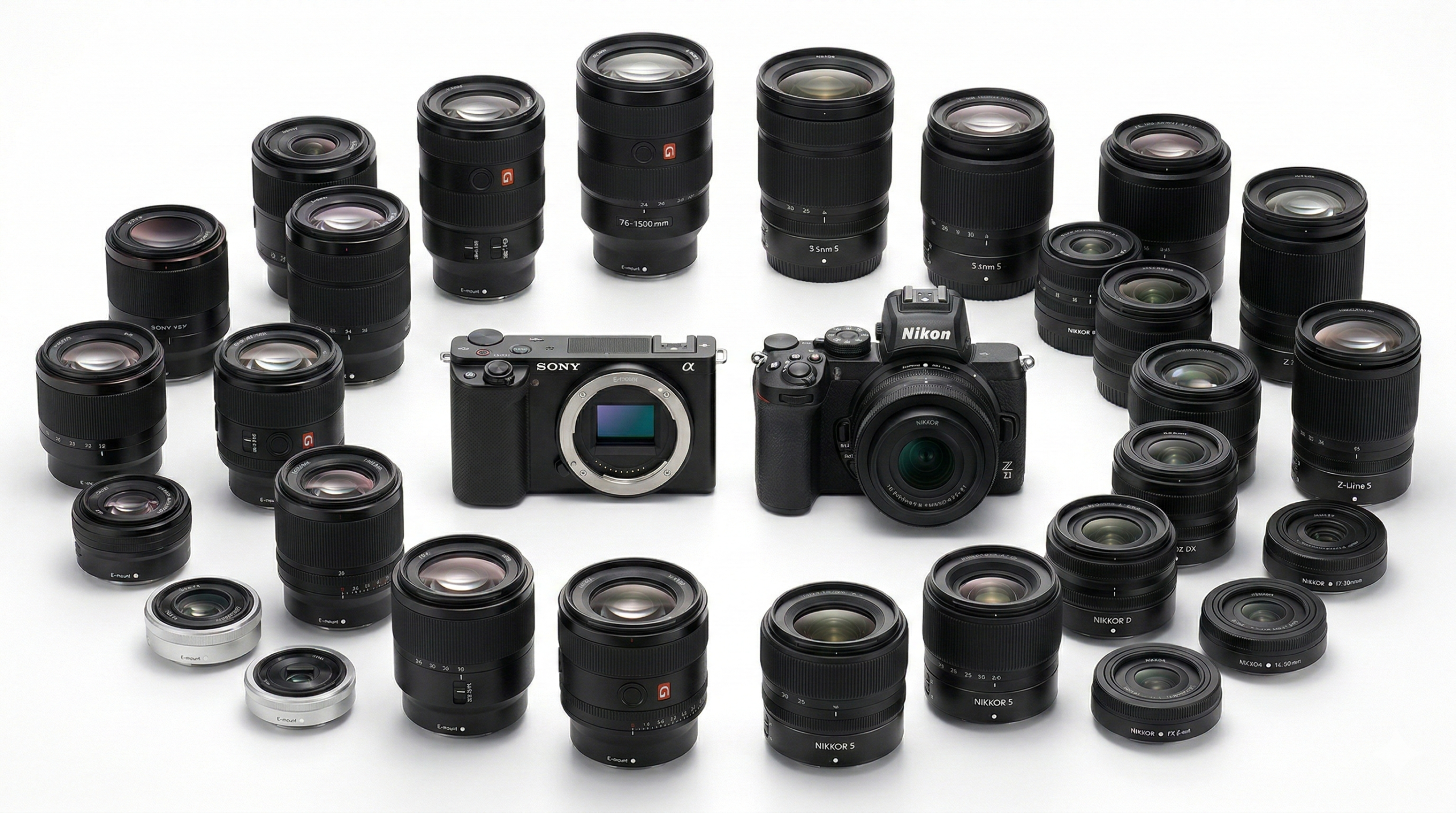
Sony E-Mount System

Sony’s E-mount ecosystem is mature and widely supported by third-party manufacturers. Users can find:
-
Budget prime lenses
-
Professional zoom lenses
-
Specialized macro and wide-angle options
The availability of third-party brands increases affordability and choice.
Nikon Z-Mount System
Nikon’s Z-mount lineup continues to expand. While high-quality lenses are available, APS-C specific options are fewer compared to Sony.
However, Nikon’s full-frame Z lenses are compatible, offering upgrade flexibility for future transitions.
Battery Life & Power Management
Battery life affects outdoor shooting and travel convenience.
-
Sony ZV-E10 delivers approximately 400+ shots per charge.
-
Nikon Z50 II averages slightly lower battery endurance.
Both support USB charging, allowing power bank usage during travel.
For long shooting sessions, carrying spare batteries is advisable regardless of brand.
Build Quality & Ergonomics
Sony ZV-E10
-
Compact and lightweight
-
Ideal for handheld vlogging
-
Smaller grip size
Its portability makes it attractive for travelers and creators using gimbals.
Nikon Z50 II
-
Deep ergonomic grip
-
Balanced weight distribution
-
DSLR-style handling comfort
Photographers shooting long sessions may prefer Nikon’s grip design.
Real-World Usage Scenarios
Travel Photography
Sony’s compact build fits easily into small travel bags. Nikon’s grip ensures stability when shooting landscapes.
Content Creation & YouTube
Sony’s design clearly favors content creators. The side-flip screen and autofocus consistency simplify solo recording.
Wedding & Event Coverage
Nikon’s color science produces natural skin tones. Sony’s autofocus tracking helps during unpredictable moments.
Menu System & User Experience
Sony’s interface has improved significantly and includes customizable quick settings.
Nikon’s menu layout is straightforward and user-friendly, especially for users transitioning from Nikon DSLRs.
Pros & Cons Overview
Sony ZV-E10 Advantages
-
Higher resolution sensor
-
Advanced autofocus tracking
-
Extensive lens ecosystem
-
Creator-focused features
Sony ZV-E10 Limitations
-
Smaller grip
-
No advanced internal stabilization
Nikon Z50 II Advantages
-
Comfortable ergonomic design
-
Reliable color science
-
Balanced hybrid performance
Nikon Z50 II Limitations
-
Fewer APS-C lens choices
-
Slightly lower resolution
Price & Value Analysis

Pricing may vary depending on region and kit options. While Sony sometimes appears slightly premium, its broader lens ecosystem may justify long-term investment.
Nikon may offer attractive kit bundles that reduce initial cost.
Value ultimately depends on intended usage rather than base price alone.
Who Should Choose Sony ZV-E10?
-
Content creators
-
YouTubers
-
Hybrid shooters
-
Fast autofocus priority users
Who Should Choose Nikon Z50 II?
-
Photography enthusiasts
-
Travel photographers
-
DSLR users transitioning to mirrorless
-
Users prioritizing ergonomic comfort
Samsung Galaxy Z Trifold: Real-World Experience, Honest Review & Complete Buyer’s Guidehttps://digiwirex.com/samsung-galaxy-z-trifold-real-world-experience-honest-review-complete-buyers-guide/
Samsung S26 Ultra vs iPhone 17 Pro Max: Full Comparison 2026https://digiwirex.com/samsung-s26-ultra-vs-iphone-17-pro-max/
The comparison between Sony ZV-E10 Mirrorless Camera Lens vs Nikon Z50 II Mirrorless Camera does not produce a universal winner. Instead, the better choice depends entirely on your workflow.
If your primary focus is video creation and advanced autofocus tracking, Sony stands slightly ahead.
If photography comfort, grip stability, and natural color output matter more, Nikon remains an excellent contender.
Both cameras represent strong investments in the APS-C mirrorless segment, and either can deliver professional-quality results when paired with suitable lenses.
About the Author