
1. Introduction – Why Shopify is the Best Platform to Start an Online Store
The ecommerce industry is growing rapidly, and how to Set Up Shopify Account more people are moving toward online businesses. Whether you want to sell physical products, digital goods, or start a dropshipping business, choosing the right platform is critical.
One platform that consistently stands out is Shopify.https://www.shopify.com/in/store-login
Shopify is designed to simplify the process of launching and managing an online store. Unlike traditional website development, where you need technical skills, Shopify allows you to build a fully functional ecommerce store without writing a single line of code.
What makes Shopify powerful is its all-in-one approach. It provides hosting, design tools, payment integration, and marketing features in one place. This reduces complexity and allows beginners to focus on business rather than technical setup.
In this guide, you will learn exactly how to set up Shopify account in 2026, including real-world insights, costs, and strategies to avoid beginner mistakes.
2. Things You Must Prepare Before Creating a Shopify Account
Before jumping into account creation, it is important to build a basic foundation. Most beginners skip this step and face problems later.
Clear Product Idea
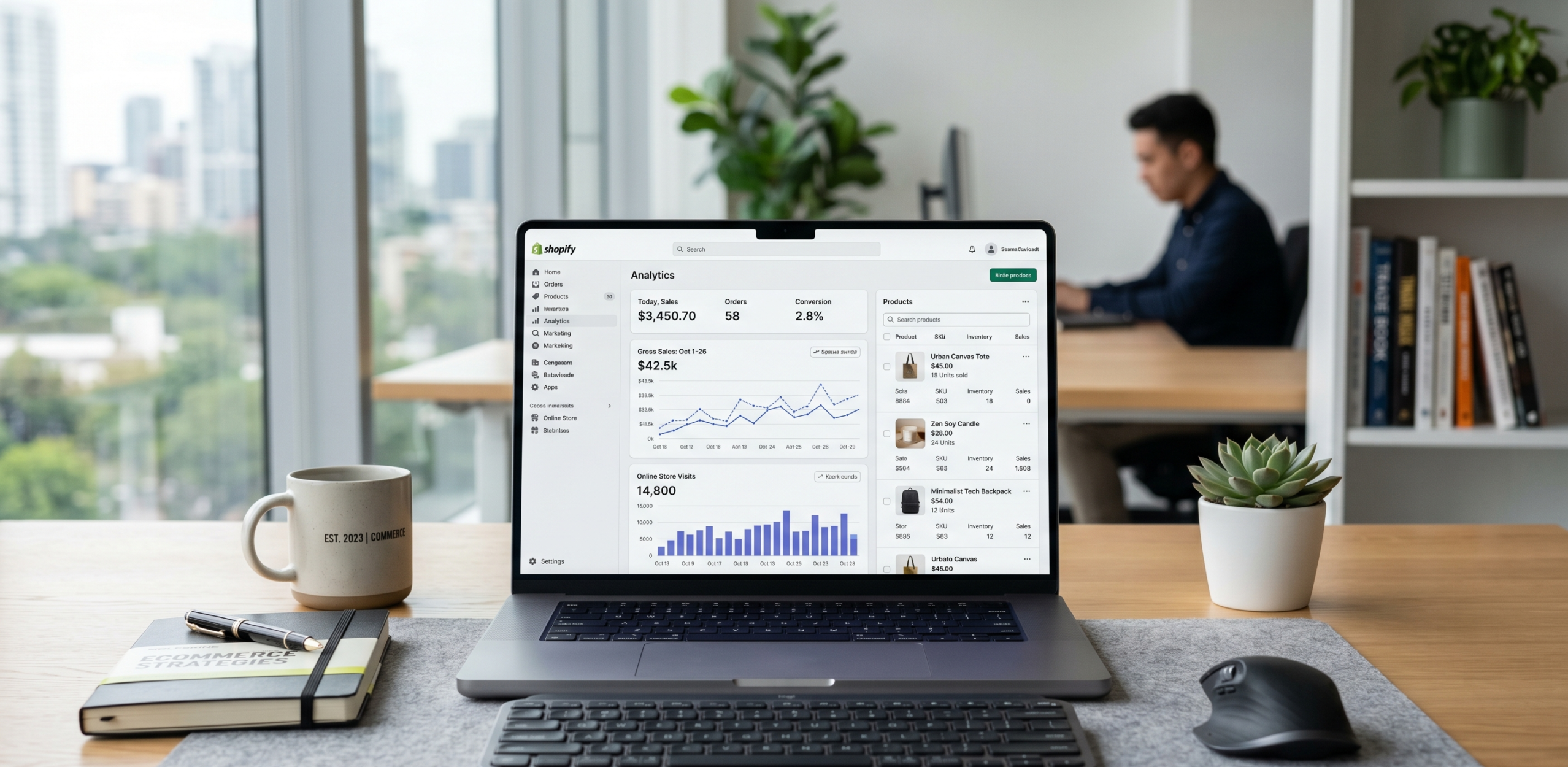
The success of your ecommerce store depends heavily on what you sell. Instead of choosing random products, focus on:
- Solving a problem
- Following market trends
- Selecting products with demand
For example, instead of selling general items, you can focus on a niche like fitness accessories or skincare products.
Understanding Your Target Audience
You should clearly know who your customers are:
- Age group
- Gender
- Interests
- Buying behavior
When you understand your audience, it becomes easier to design your store and create marketing strategies.
Basic Branding Elements
Even at the beginner stage, you should think about branding:
- Store name
- Logo
- Color theme
A strong brand creates trust and improves conversions.
Email and Contact Information
You will need an active email address to manage your store. It is recommended to use a business email for professionalism.
3. Step-by-Step Process to Set Up Shopify Account
Now let’s go through the complete process of creating your Shopify account.
Step 1: Start Free Trial
Go to the official Shopify website and click on the free trial option. This allows you to explore the platform without paying immediately.
Step 2: Enter Your Details
You will be asked to provide:
- Email address
- Password
- Store name
Your store name will also be used to create your default Shopify URL.
Step 3: Business Information Setup

Shopify will ask a few questions about your business:
- Are you already selling?
- What type of products do you plan to sell?
If you are new, you can select beginner options. This helps Shopify customize your dashboard.
Step 4: Access Your Store Dashboard
Once your account is created, you will enter the Shopify dashboard. This is where you manage everything related to your business.
The dashboard includes:
- Product management
- Order tracking
- Customer data
- Analytics
- Store settings
Spend some time exploring this area, as it will be your primary workspace.
4. Shopify Pricing in India – Complete Breakdown
Understanding the cost structure is important before fully committing.
Monthly Subscription Plans
- Basic Plan: Suitable for beginners
- Shopify Plan: For growing businesses
- Advanced Plan: For large-scale operations
Each plan offers different features, such as reporting, staff accounts, and shipping discounts.
Additional Costs You Should Know
Apart from subscription fees, there are other expenses:
- Domain purchase
- Premium themes
- Paid apps
- Marketing budget
In most cases, beginners can start with a low budget and scale gradually.
5. Complete Shopify Store Setup Guide
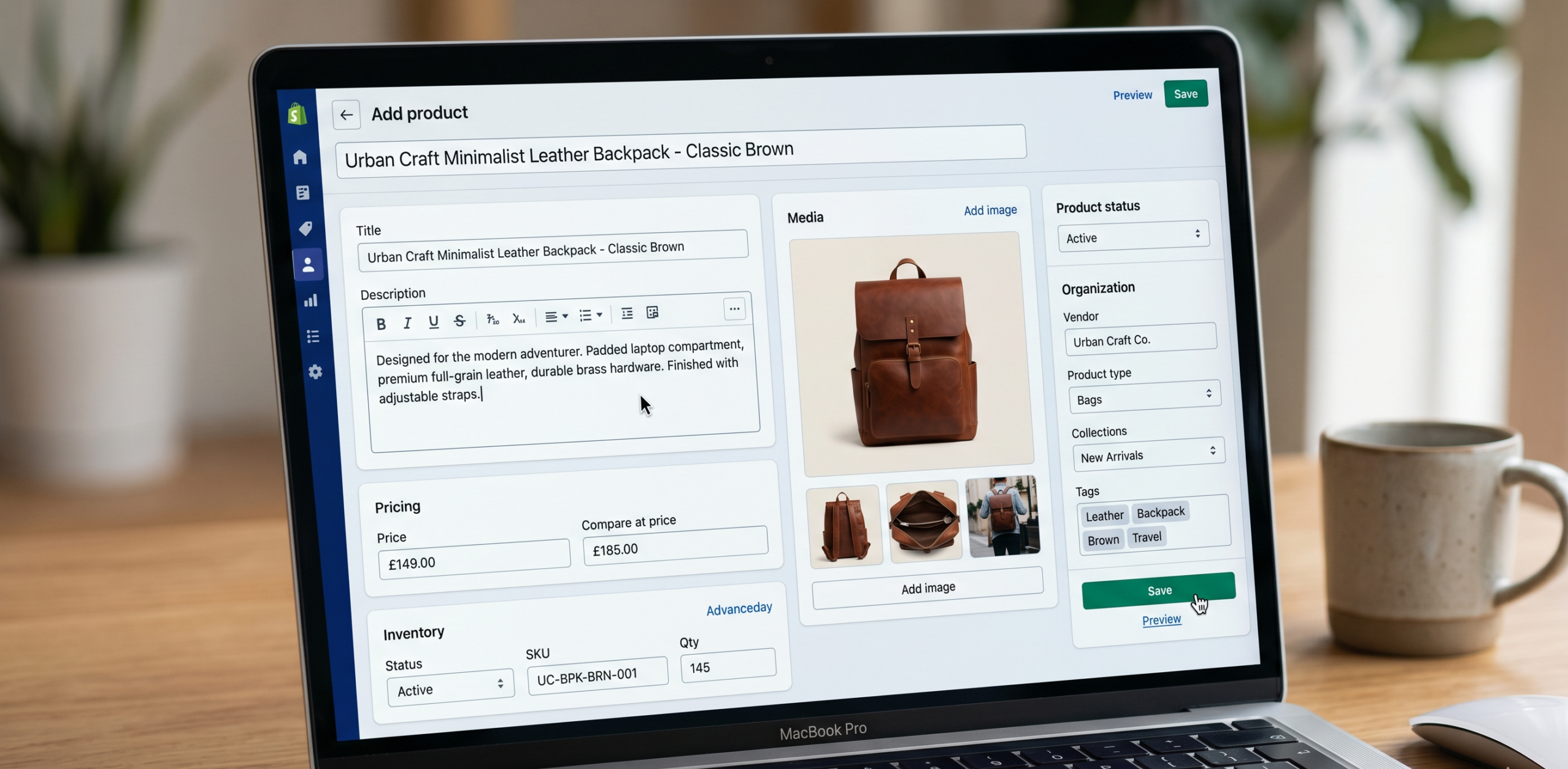
Creating an account is just the first step. Now you need to build your store properly.
Choosing the Right Theme
Your store design plays a major role in user experience.
Shopify provides free and paid themes. For beginners, starting with a free theme is a practical choice.
Focus on:
- Clean layout
- Fast loading speed
- Mobile responsiveness
Adding Products to Your Store
Your product page should not just display items; it should convince customers to buy.
Include:
- Clear product titles
- Detailed descriptions
- High-quality images
- Pricing and variants
Instead of writing generic descriptions, explain how the product benefits the customer.
Setting Up Payment Methods
To receive payments, you need to integrate payment gateways.
Common options include:
- Razorpay
- PayU
- Stripe
Make sure your checkout process is smooth and secure. Offering multiple payment options increases conversion rates.
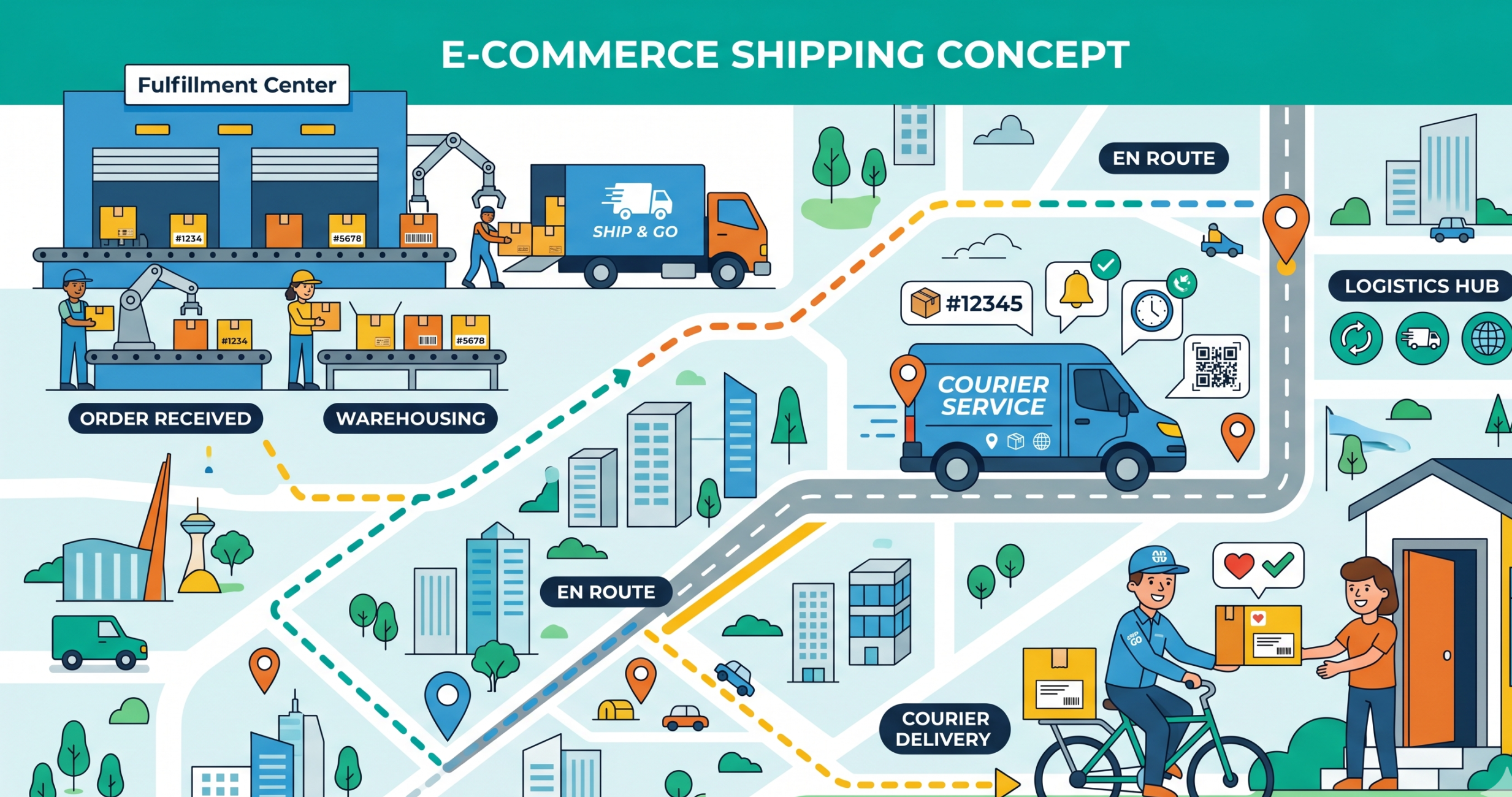
Shipping Configuration
Shipping settings determine how you deliver products to customers.
You can choose:
- Free shipping
- Fixed rate shipping
- Location-based pricing
Many successful stores use free shipping as a marketing strategy.
Connecting a Custom Domain

A custom domain makes your store look professional and trustworthy.
Instead of using a default Shopify URL, use your own branded domain.
Creating Essential Pages
Every ecommerce store must include:
- About page
- Contact page
- Privacy policy
- Return policy
These pages build trust and improve credibility.
6. Real Experience – What Beginners Actually Face
Many guides only show the technical steps, but real experience tells a different story.
Initial Challenges
Most beginners face these issues:
- Confusion in choosing the right product
- Difficulty in understanding marketing
- Low initial traffic
These challenges are normal and part of the learning process.
Time Investment
Setting up a store is quick, but building a successful business takes time.
- Store setup: 1–2 days
- Learning phase: 1–2 weeks
- First sales: depends on marketing
Reality of Ecommerce
Shopify makes store creation easy, but success depends on:
- Product selection
- Marketing strategy
- Customer experience
Without these elements, even a well-designed store will not perform well.
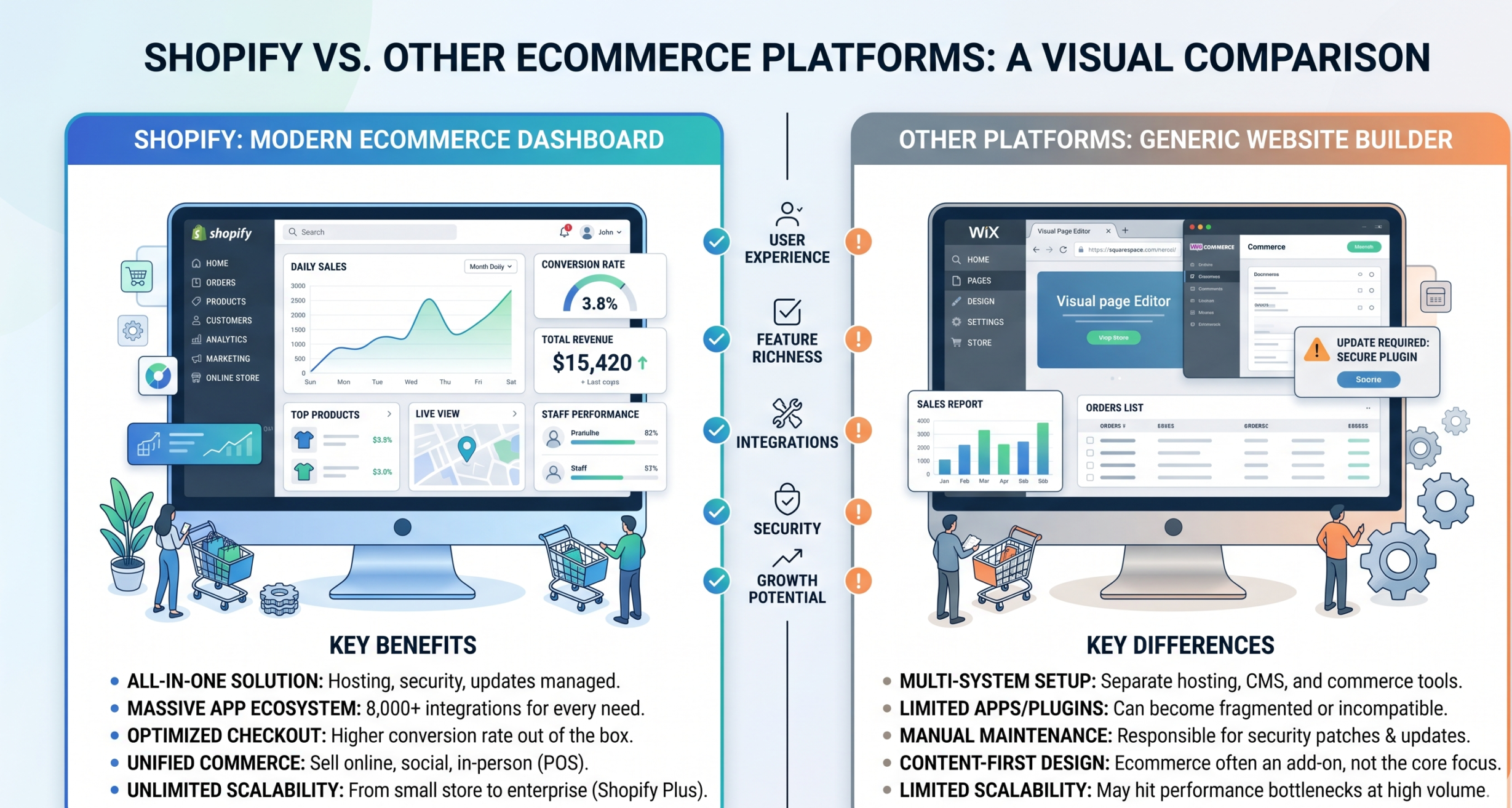
7. Shopify vs Other Ecommerce Platforms
Choosing the right platform is important, so let’s compare Shopify with alternatives.
Shopify vs WooCommerce
WooCommerce is a flexible solution built on WordPress.
- Shopify is easier to use
- WooCommerce offers more customization
- Shopify includes hosting
- WooCommerce requires technical setup
For beginners, Shopify is more convenient.
Shopify vs Wix
Wix is another website builder with ecommerce features.
- Shopify is focused on ecommerce
- Wix is better for simple websites
- Shopify offers advanced selling tools
For serious online businesses, Shopify is the better option.
8. Advantages and Disadvantages of Shopifyhttps://www.shopify.com/in/store-login
Advantages
- Simple setup process
- Reliable hosting and security
- Wide range of apps and integrations
- Scalable for business growth
Disadvantages
- Monthly subscription cost
- Transaction fees in some cases
- Limited control compared to open-source platforms
9. Common Mistakes to Avoid
Avoiding mistakes can save time and money.
- Launching without research
- Poor product presentation
- Ignoring mobile optimization
- Not focusing on SEO
- Skipping marketing efforts
A successful ecommerce business requires a balance of design, product quality, and promotion.
10. Growth Strategies for Shopify Stores

Once your store is live, focus on scaling your business.
Search Engine Optimization (SEO)
Optimize your store for search engines by:
- Using relevant keywords
- Writing blog content
- Improving page speed
Social Media Marketing
Promote your products using:
- Short-form video content
Paid Advertising
Use paid ads to generate quick traffic and test products.
Email Marketing
Build an email list and send:
- Offers
- Updates
- Abandoned cart reminders
How to Start Dropshipping Business in 2026: A Realistic Step-by-Step Guide for Beginnershttps://digiwirex.com/how-to-start-dropshipping-business-in-2026-a-realistic-step-by-step-guide-for-beginners/
Top 10 AI SEO Free Apps for Shopify Stores in 2026https://digiwirex.com/top-10-ai-seo-free-apps-for-shopify-stores-2026/#google_vignette
11. Final Conclusion
Setting up a Shopify account in 2026 is a straightforward process, especially for beginners. The platform provides all the necessary tools to start and manage an online business efficiently.
However, creating a store is only the beginning. Real success comes from understanding your market, selecting the right products, and implementing effective marketing strategies.
If you approach Shopify with the right mindset and consistent effort, it can become a powerful source of income and long-term business growth.


Pingback: Google My Business Profile (Step-by-Step Guide 2026)
I like what you guys are up too. Such smart work and reporting! Carry on the excellent works guys I’ve incorporated you guys to my blogroll. I think it’ll improve the value of my site :).
Hore google adalah ratu saya yang membantu saya menemukan web site yang hebat! .
Ini adalah situs yang tepat untuk siapa saja yang ingin mengetahui tentang topik ini. Anda memahami begitu banyak hal sehingga hampir sulit untuk berdebat dengan Anda (bukan berarti saya benar-benar ingin…HaHa). Anda benar-benar memberikan pendekatan baru pada topik yang telah ditulis selama bertahun-tahun. Luar biasa, benar-benar hebat!
I truly appreciate this post. I have been looking all over for this! Thank goodness I found it on Bing. You have made my day! Thx again
Amat hebat informasi dapat ditemukan di weblog.
Sangat menarik poin yang Anda amati, thankyou telah mengunggah.
Konten yang bermanfaat dan disajikan dengan baik. Saya pasti akan merekomendasikan ini kepada orang lain. Terima kasih telah berbagi.
Terima kasih untuk posting luar biasa tambahan. Di mana lagi seseorang bisa mendapatkan tipe informasi seperti itu dengan pendekatan penulisan yang sempurna? Saya memiliki presentasi minggu berikutnya, dan saya berada dalam pencarian informasi seperti ini.
Saya amat bersyukur menemukan situs ini di Bing, persis seperti yang saya telusuri : D begitu juga sudah saya simpan di bookmark saya.
Ini benar-benar menyelesaikan masalah saya, terima kasih!
Hai di sana, Anda telah melakukan pekerjaan yang hebat. Saya tentu akan mem-bookmark ini dan kembali untuk membaca lebih banyak. Terima kasih!
When I initially commented I clicked the “Notify me when new comments are added” checkbox and now each time a comment is added I get three emails with the same comment. Is there any way you can remove me from that service? Appreciate it!
Artikel yang hebat. Ini memberikan saya pemahaman yang lebih jelas tentang topik ini. Teruskan pekerjaan yang hebat!
Ini adalah blog yang benar untuk siapa saja yang ingin mengetahui tentang topik ini. Anda menyadari begitu banyak hal sehingga nyaris sulit untuk berdebat dengan Anda (bukan berarti saya benar-benar ingin…HaHa). Anda benar-benar memberikan pendekatan baru pada topik yang telah ditulis selama bertahun-tahun. Hebat, benar-benar luar biasa!
Saya menghargainya, karena saya menemukan persis apa yang saya cari. Anda telah mengakhiri pencarian saya selama empat hari! Tuhan memberkati Anda. Semoga harimu menyenangkan. Bye
Wow! Ini mungkin salah satu blog paling membantu yang pernah kami temui tentang topik ini. Sebenarnya Mengagumkan. Saya juga seorang spesialis dalam topik ini oleh karena itu saya dapat memahami kerja keras Anda.
Website ini benar-benar merupakan panduan lengkap untuk semua informasi yang Anda inginkan tentang hal ini dan tidak tahu kepada siapa harus bertanya. Lihat sekilas di sini, dan Anda pasti akan menyadarinya.
Terima kasih, saya baru-baru ini menelusuri informasi sekitar topik ini cukup lama dan milik Anda adalah yang paling hebat yang saya temukan hingga sekarang. Namun, bagaimana dengan inti permasalahan? Apakah Anda yakin tentang asal tersebut?
Saya menghargainya, karena saya menemukan persis apa yang saya cari. Anda mengakhiri pencarian saya selama empat hari! Tuhan memberkati Anda. Semoga hari menyenangkan. Bye
Ini adalah situs yang benar untuk siapa saja yang ingin mengetahui tentang topik ini. Anda memahami begitu banyak hal sehingga nyaris sulit untuk berdebat dengan Anda (bukan berarti saya benar-benar ingin…HaHa). Anda benar-benar memberikan sudut pandang baru pada topik yang telah ditulis selama bertahun-tahun. Luar biasa, benar-benar luar biasa!
Artikel yang sangat membantu. Saya baru saja mencari informasi seperti ini dan saya senang menemukannya di sini. Terima kasih banyak telah berbagi.
Wow! Ini mungkin salah satu blog paling berguna yang pernah kami temui tentang topik ini. Sebenarnya Hebat. Saya juga seorang spesialis dalam topik ini jadi saya dapat memahami kerja keras Anda.
This blog is definitely rather handy since I’m at the moment creating an internet floral website – although I am only starting out therefore it’s really fairly small, nothing like this site. Can link to a few of the posts here as they are quite. Thanks much. Zoey Olsen
Anda sudah melakukan pekerjaan yang mengesankan dan seluruh komunitas kami akan bersyukur kepada Anda.
Bagian yang mengesankan, saya sekadar memberikannya kepada seorang rekan yang sedang melakukan agak analisis tentang ini. Dan dia sebenarnya membeli saya sarapan karena saya menemukannya untuknya.. senyum. Jadi biar saya ulangi: Terima kasih untuk jamuan! Namun ya terima kasih telah meluangkan waktu untuk mendiskusikan ini, saya benar-benar merasa kuat tentang hal ini dan suka membaca lebih banyak tentang topik ini. Jika memungkinkan, seiring Anda menjadi lebih ahli, apakah Anda keberatan memperbarui blog Anda dengan tambahan detail? Ini sangat membantu bagi saya. Jempol luar biasa untuk publikasi blog ini!
Kami dapat memiliki tautan pertukaran perjanjian antara kita!
Sangat menarik detail yang Anda catat, sangat menghargai telah mengunggah.
Hari ini, saat saya sedang bekerja, sepupu saya mengambil iphone saya dan mengujinya apakah bisa bertahan dari jatuh setinggi 40 kaki, hanya agar dia bisa menjadi sensasi youtube. apple ipad saya sekarang rusak dan dia memiliki 83 penayangan. Saya tahu ini benar-benar di luar topik tetapi saya harus membagikannya kepada seseorang!
Secara umum saya tidak membaca artikel di blog, tetapi saya ingin sekali mengatakan bahwa tulisan ini benar-benar memaksa saya untuk melakukannya! Gaya penulisan Anda mengejutkan saya. Terima kasih, cukup artikel yang bagus.
Sangat menarik informasi!Sempurna persis seperti yang saya cari! “Jika Anda ingin menguji ingatan Anda, cobalah mengingat apa yang Anda khawatirkan setahun yang lalu hari ini.” oleh Rotarian.
I enjoy your writing style truly enjoying this web site.
I love your blog.. very nice colors & theme. Did you create this website yourself? Plz reply back as I’m looking to create my own blog and would like to know wheere u got this from. thanks
Just desire to say your article is as astonishing. The clarity in your post is simply nice and i can assume you are an expert on this subject. Well with your permission allow me to grab your RSS feed to keep up to date with forthcoming post. Thanks a million and please carry on the gratifying work.
I was recommended this blog by my cousin. I am not sure whether this post is written by him as nobody else know such detailed about my difficulty. You’re amazing! Thanks!
Saya menemukan blog Anda di Google dan memeriksa beberapa posting awal Anda. Teruskan pekerjaan yang sangat baik ini. Saya baru saja menambahkan RSS feed Anda ke pembaca berita MSN saya. Menantikan untuk membaca lebih banyak dari Anda nanti!
Saya selalu melihat online untuk tips yang dapat membantu saya. Terima kasih!
Halo semua, saya menjumpai website Anda melalui Google saat menelusuri subjek yang mirip, website Anda tampil di hasil teratas. Saya perlu mengakui bahwa saya kagum seberapa bagus penulisannya. Saya sangat menikmati membaca ini dan saya pasti akan kembali untuk melihat lebih banyak. Terima kasih banyak!
Seseorang pada dasarnya membantu membuat artikel yang sangat baik, saya akan katakan. Ini adalah pertama kali saya mengunjungi halaman situs web Anda dan sejauh ini? Saya terkejut dengan riset yang Anda lakukan untuk membuat publikasi khusus ini istimewa. Kerja yang hebat!
Sangat menarik poin yang Anda sebutkan, thankyou telah mengunggah. “Di atas segalanya, jujurlah pada diri sendiri, dan jika Anda tidak bisa menaruh hati Anda di dalamnya, keluarkan diri Anda darinya.” oleh Hardy D. Jackson.
Saya tidak umumnya berkomentar tetapi saya harus mengatakan salam untuk posting yang luar biasa ini : D.
Konten yang hebat! Saya akan kembali untuk membaca konten lainnya. Terima kasih atas berbagi ini.
Berharga informasi. Untungnya saya menemukan situs Anda secara tidak sengaja, dan saya terkejut mengapa kecelakaan ini tidak pernah terjadi lebih awal! Saya menyimpannya.
Hi, saya rasa situs Anda mungkin memiliki masalah kompatibilitas browser. Saat saya melihatnya di Safari terlihat baik-baik saja, tetapi di Internet Explorer tampilannya saling tumpang tindih. Saya hanya ingin memberi tahu Anda! Selain itu, blog yang fantastis!
Saya biasanya tidak meninggalkan komentar, tetapi yang satu ini benar-benar layak. Konten yang hebat dan berguna. Terima kasih telah meluangkan waktu untuk menulis ini.
Situs web ini benar-benar merupakan penjelasan menyeluruh untuk semua informasi yang Anda inginkan tentang hal ini dan tidak tahu kepada siapa harus bertanya. Lihat sekilas di sini, dan Anda pasti akan menyadarinya.
Itu memang milik Anda! . Kita setidaknya perlu membuat orang-orang yang mencuri gambar ini mulai nge-blog! Mereka mungkin hanya melakukan pencarian gambar dan mengambilnya. Tapi tampilannya bagus!
Hi there would you mind stating which blog platform you’re using? I’m going to start my own blog soon but I’m having a difficult time choosing between BlogEngine/Wordpress/B2evolution and Drupal. The reason I ask is because your layout seems different then most blogs and I’m looking for something completely unique. P.S Sorry for being off-topic but I had to ask!
Ya menyimpan ini bukanlah penentuan yang buruk pos yang hebat! .
Luar biasa! Blog ini terlihat persis seperti blog lama saya! Topiknya sangat berbeda tetapi memiliki tata letak dan desain yang hampir sama. Pilihan warna yang sangat bagus!
Saya menghargainya, karena saya menemukan tepat apa yang saya cari. Anda mengakhiri pencarian saya selama empat hari! Tuhan memberkati Anda. Semoga hari baik. Bye
Hei di sana, kamu sudah melakukan pekerjaan yang luar biasa. Saya tentu akan menandai ini dan kembali untuk melihat konten lainnya. Terima kasih!
Ini adalah topik yang sangat penting di hati saya, cheers, tapi di mana informasi kontak Anda?
Wow, hebat weblog struktur! Sudah berapa lama Anda ngeblog? Anda membuat blogging terlihat mudah. Seluruh tampilan situs Anda hebat, serta materinya!
Hei di sana, kamu sudah melakukan pekerjaan yang fantastis. Saya tentu akan menyimpan ini dan kembali untuk melihat konten lainnya. Terima kasih banyak!
Saya secara tidak sengaja menemukan blog Anda dan saya perlu mengatakan bahwa saya sangat terkesan. Teruskan kerja yang luar biasa.
Konten yang luar biasa! Saya pasti akan kembali untuk membaca konten lainnya. Terima kasih atas informasi ini.
Saya sering blogging dan saya sangat menghargai konten Anda. Artikel ini benar-benar menarik perhatian saya. Saya akan mem-bookmark situs Anda dan terus memeriksa informasi baru.
Bersama dengan segala sesuatu yang mana terlihat sedang dibangun di dalam topik khusus ini, banyak pandangan Anda adalah cukup radikal. Meskipun demikian, saya maaf, karena saya tidak setuju sepenuhnya pada seluruh strategi Anda, meskipun menyegarkan. Sepertinya bagi saya bahwa pendapat Anda tidak sepenuhnya sepenuhnya dapat dibenarkan dan pada kenyataannya Anda diri Anda tidak benar-benar sepenuhnya yakin terhadap pernyataan tersebut. Dalam hal apa pun saya menikmati membacanya.
Bagian yang mengesankan, saya baru saja memberikannya kepada seorang rekan yang sedang melakukan agak evaluasi tentang ini. Dan dia pada kenyataannya membelikan saya sarapan sebagai hasil dari saya menemukannya untuknya.. senyum. Jadi biar saya ulangi: Terima kasih untuk traktiran! Namun ya terima kasih telah meluangkan waktu untuk membahas ini, saya sangat merasa kuat tentang hal ini dan suka membaca lebih banyak tentang topik ini. Jika memungkinkan, seiring Anda menjadi lebih berpengalaman, apakah Anda keberatan memperbarui weblog Anda dengan lebih banyak detail? Ini sangat membantu bagi saya. Jempol besar untuk unggahan blog ini!
Terima kasih, saya baru saja mencari informasi tentang topik ini dalam waktu yang panjang dan milik Anda adalah yang paling hebat yang saya temukan hingga sekarang. Namun, bagaimana dengan kesimpulan? Apakah Anda yakin tentang asal tersebut?